Phrasing, voicing, and the shape of a musical line.
Feature Essay
Issue 01 · Piano, Wildlife, AttentionField notes from a life in science
Beyond the Bench
When I step away from research, I return to two slower practices: piano and wildlife photography. One tunes my ear to phrasing, touch, and silence. The other keeps me alert to light, distance, and the single movement that completes a frame.
This page is not a sidebar to my work. It is where attention gets reset, pacing becomes deliberate again, and the habits I care about in research are rehearsed in another key.
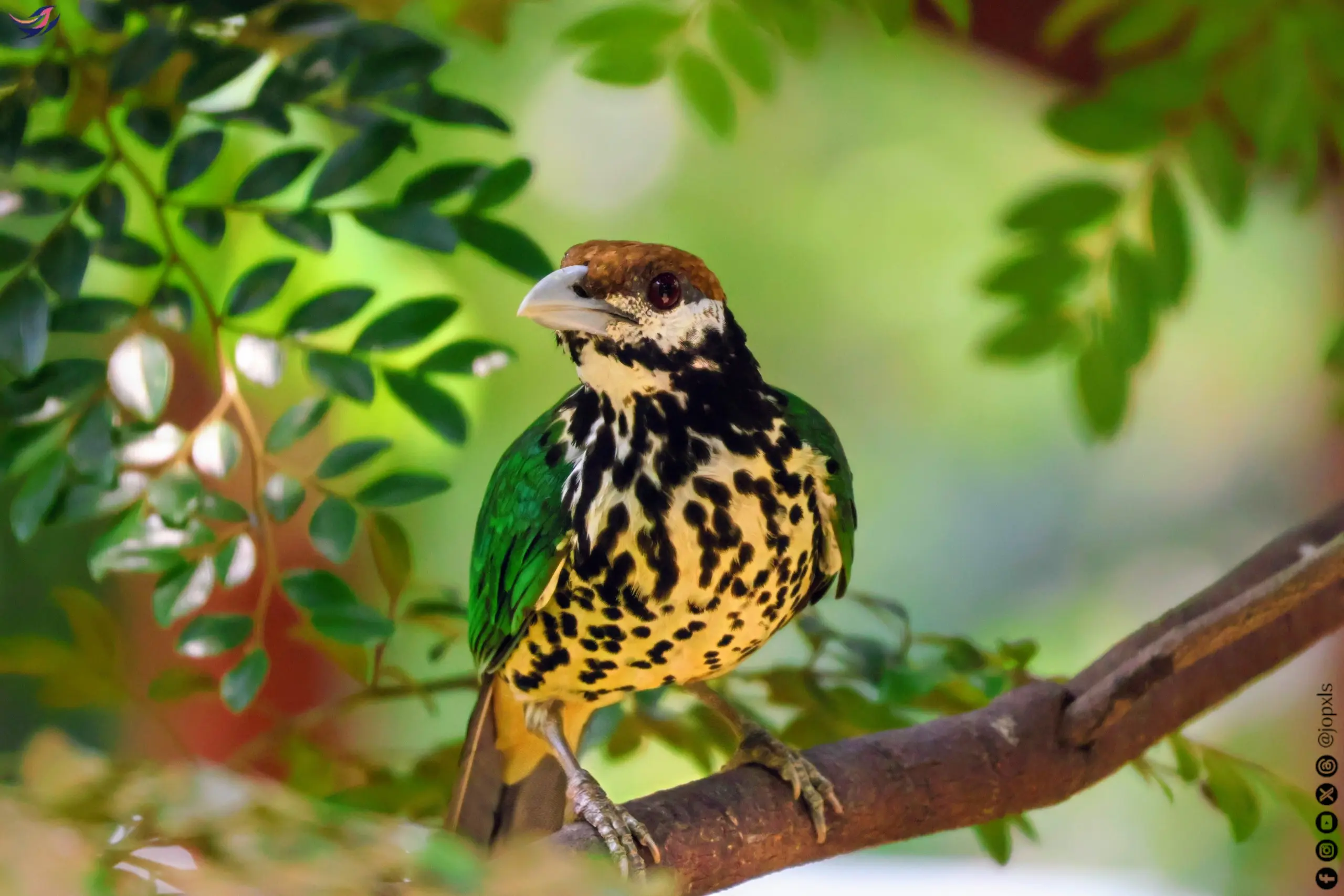
Two practices, one shared instinct: stay with the moment long enough for structure to reveal itself.
Light, stillness, and moments that cannot be staged.
Practices that return me to the lab with more patience and care.
Music Feature
Piano is where I practice listening before I decide what comes next.
Piano is where I go when I want to slow down and listen more carefully. I am most drawn to pieces where phrasing, voicing, and restraint matter as much as technique.
I share performances as @jopianotes, mostly across classical and contemporary repertoire. Recording them has made me more attentive to touch, pacing, and how a line holds together over time.
Recording a performance turns touch, timing, and restraint into something you can actually audit.
@jopianotes
- I keep returning to pieces where tone and space matter more than speed.
- Most full performances live on YouTube, with shorter clips on Instagram.
- It is the practice that reminds me to work with intention rather than rush.
Field Notes
Wildlife photography asks for patience, distance, and a willingness to let the world keep some of its mystery.
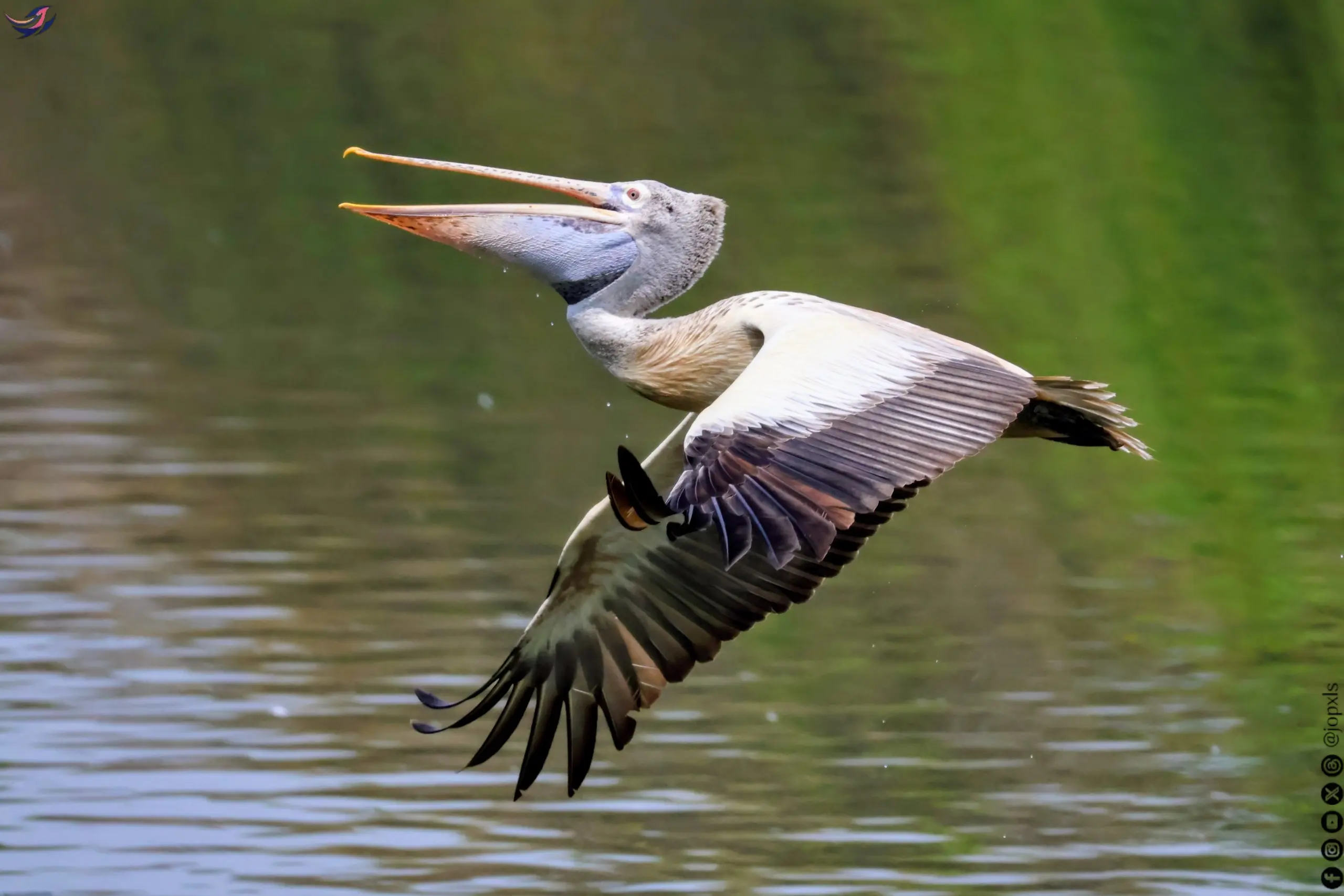
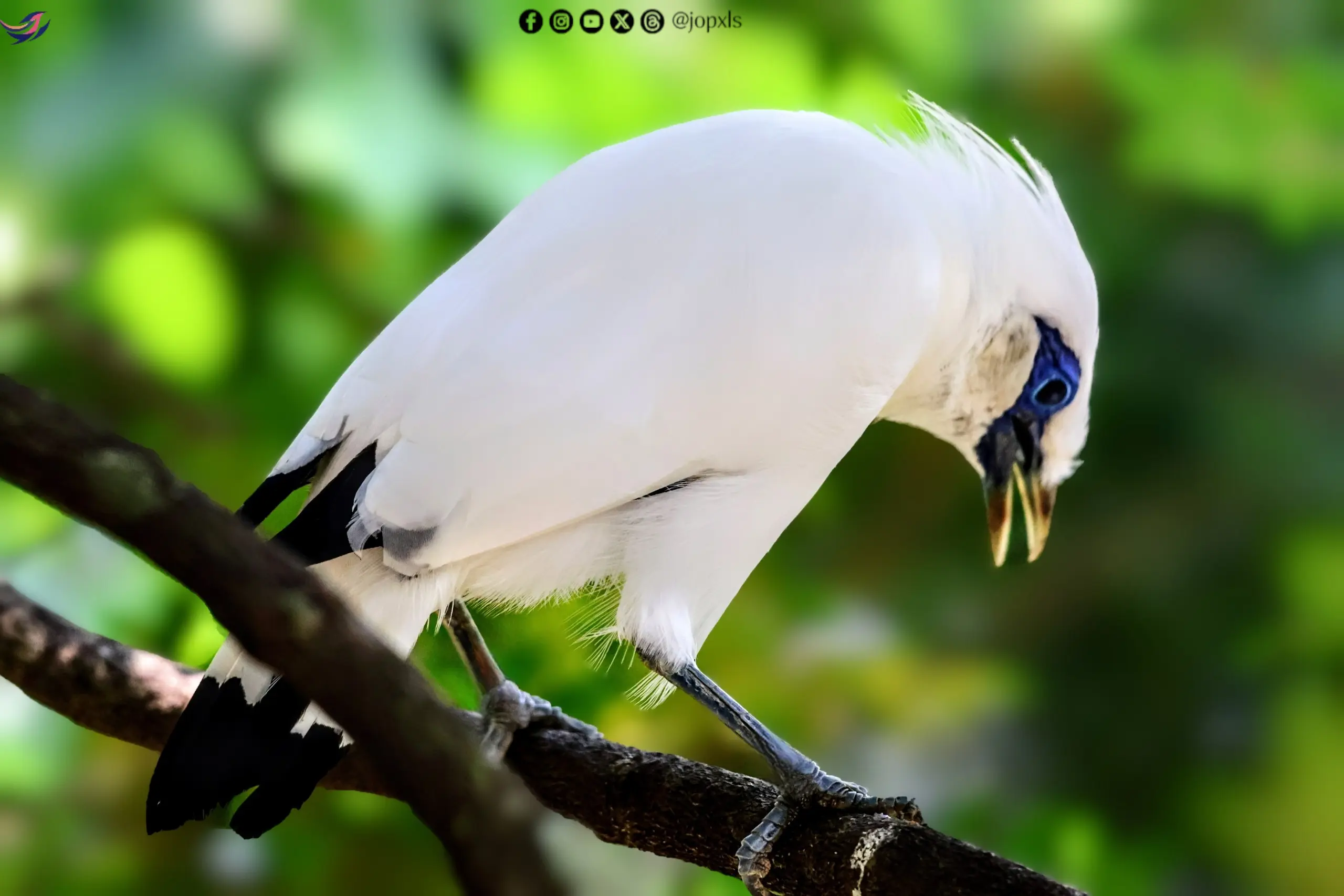
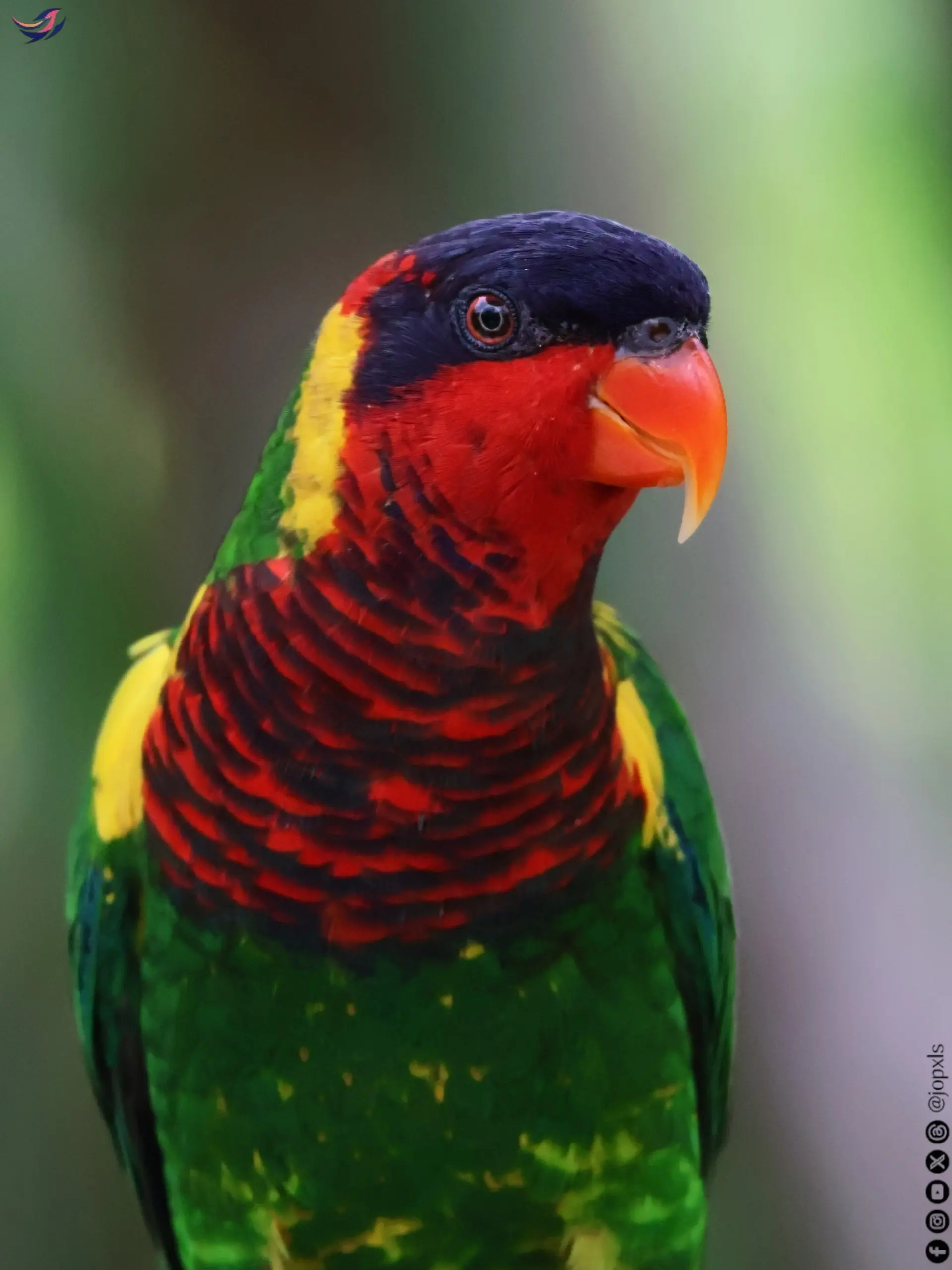
Through wildlife photography as @jopxls, I try to make images that feel observed rather than collected. I am less interested in spectacle than in the mood created by light, weather, distance, and one brief movement.
Most of the work is really waiting. The frame only appears for a moment, and the interesting part is being quiet enough to notice when it does.
- I look for calm frames shaped by early light, layered backgrounds, and breathing room.
- I prefer moments that still feel wild, with some distance left intact.
- It gives me a way to practice patience without an agenda or outcome in mind.
Selected Frames
A field spread arranged like a small printed portfolio.
I look for images that still leave some distance intact, where light and stillness do most of the speaking.
A working edit from my current archive. Tap any frame to open it larger.
No beyond captures are available yet.
Return
What these practices return to research
I do not think of them as side hobbies. They reset the pace at which I notice, judge, and work. They are how I practice attention when no experiment is running.
Structure before noise
Piano keeps me sensitive to pacing, internal structure, and when a line needs more space rather than more force.
Waiting is part of the method
Photography reminds me that not every good outcome can be pushed into happening. Some results depend on waiting well.
Do only what the moment needs
Both practices reward restraint. That instinct matters to me in experiments, writing, and problem-solving just as much as it does in music or a frame.
These practices do not sit outside my research life. They are part of how I reset attention, recover patience, and return to work more clearly.